
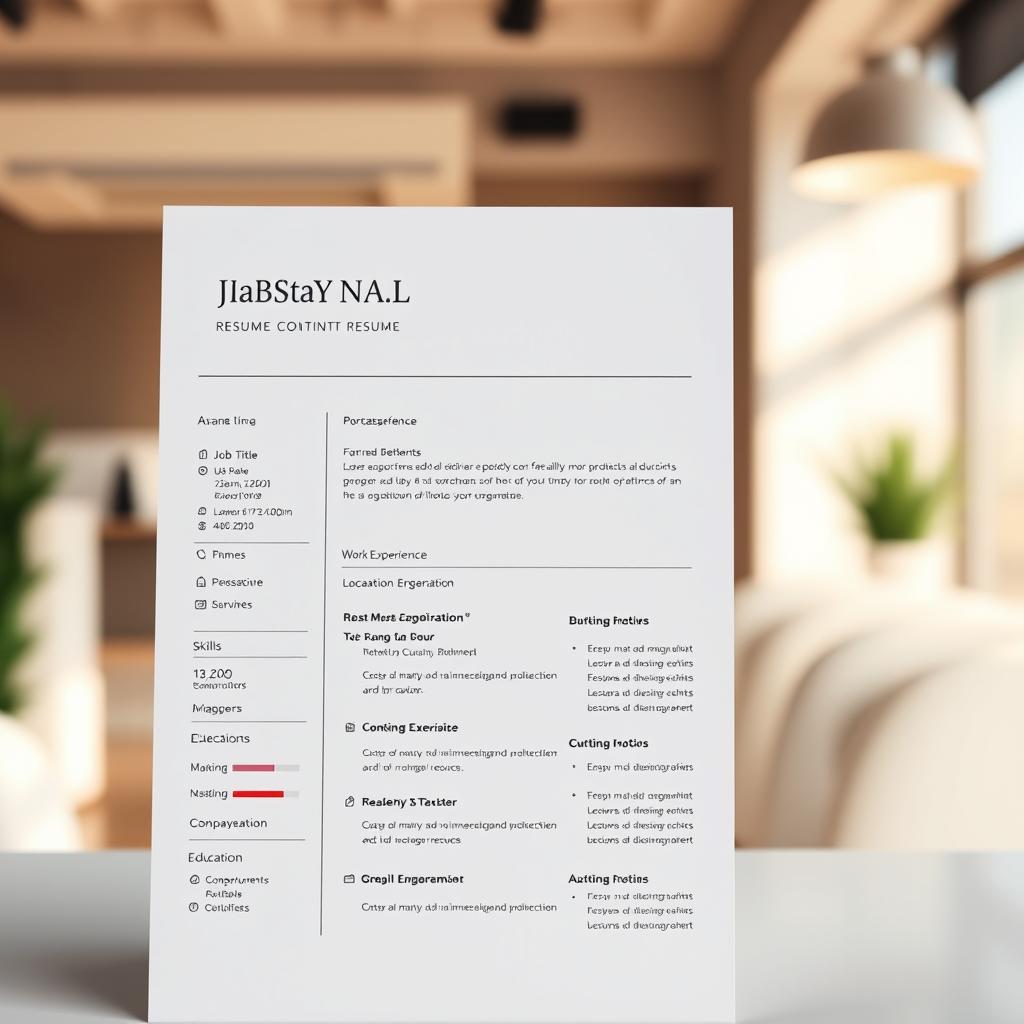

This guide offers practical tips for writing a simple and attractive resume. It helps you pass through applicant tracking systems (ATS) and catch the eye of hiring managers and recruiters. It’s designed for job seekers in the United States, from entry-level to executives, with clear steps to create a winning resume.
We start by defining important terms. A resume can be chronological, functional, or hybrid. ATS is software used by employers to filter applications. Hiring managers and recruiters play key roles in the hiring process. Our advice is based on LinkedIn, indeed, and the U.S. Bureau of Labor Statistics, highlighting the importance of a well-crafted resume.
The article also covers meta goals. A concise meta title and a focused meta description are key. You’ll find evidence-based tactics from SHRM and Harvard Business Review. There are also practical checklists and examples to help your resume stand out.
Here’s what’s coming: tips on formatting and design, writing strong headlines and summaries, and highlighting your experience and education. We’ll also cover using targeted keywords for ATS, proofreading, and final submission best practices. These sections will guide you step-by-step in creating a winning resume.
Why a simple and attractive resume matters to employers
Employers look at many resumes quickly. A clear, attractive layout helps them find important details fast. Use simple headings and short bullets to highlight key points.
How recruiters scan resumes
Recruiters spend just six to eight seconds on a first look. They look for job titles, company names, achievements, and key skills. Make sure your resume is easy for both software and humans to read.
First impressions and visual hierarchy
First impressions come from how your resume looks. Put your name and contact info at the top. Then, add a headline, core skills, experience, and education.
Use contrast and spacing to guide the eye. Avoid dense paragraphs.
Balancing brevity with relevance
Employers like concise resumes that show impact. Early-career candidates should aim for one page. Those with more experience can use two pages.
Focus on achievements that match the job. Cut out unrelated duties and generic phrases. Use targeted summaries and expand sections as needed for each application.
- Resume tips and tricks: highlight measurable results and use active verbs.
- Resume design tips: choose a simple font and consistent spacing to improve scanability.
- Best resume writing tips: tailor each resume to the job and lead with the most relevant achievements.
tips to write a simple and attractive resume
A clean resume grabs attention. Use simple language and a clear structure to show your skills. These tips help you refine your content, match job requirements, and highlight your achievements without clutter.
Choose a professional tone that matches the employer’s style. For traditional industries like banking and law, stick to formal language. For startups and creative fields, a bit more relaxed tone is okay. Look at company career pages and Glassdoor for hints on their culture.
Use active verbs like managed, launched, and reduced. Avoid passive verbs that hide who did the work. Use industry terms that clarify your skills, but avoid jargon that confuses.
Focusing on clarity over complexity
Break down achievements into short bullets. Aim for one idea per line to make it easy for hiring managers to scan.
- Start each bullet with an action verb.
- Include measurable outcomes when possible, using CAR or STAR-lite format.
- Keep sentences under 20 words to improve readability.
Use parallel structure in bullets to make comparisons easy for recruiters. This shows the best ways to write a resume that recruiters can quickly understand.
Removing unnecessary details
Trim roles older than 10–15 years unless they’re directly relevant. Remove personal info like marital status or age that employers can’t consider.
- Remove vague adjectives like hardworking or responsible. Replace them with specific accomplishments.
- Limit contact info to phone, professional email, LinkedIn URL, and city/state.
- Avoid listing every minor task. Focus on results that tie to the role you seek.
These tips help keep your resume concise and relevant. Use this advice to decide what to include and what to leave out when learning how to write a simple and attractive resume.
Resume formatting advice for clean presentation
Clear formatting makes it easy for hiring managers to scan your resume. Use the same style for headings, dates, and job titles. This guides the eye and makes your resume easy to read.
Recommended font families and sizes
- Choose readable fonts like Calibri, Arial, Helvetica, Times New Roman, or Georgia.
- Make your name stand out with 14–18 pt.
- Use 11–12 pt for headings and 10–11 pt for body text for easy reading on any device.
- Avoid novelty fonts that might confuse ATS or distract the reviewer.
Spacing, margins, and line length best practices
- Set margins to 0.5–1.0 inch, depending on your content.
- Keep line spacing between single and 1.15 to improve scanability.
- Stick to 50–75 characters per line to avoid eye strain.
- Break long paragraphs into short blocks for easy reading.
Using headings and section dividers effectively
- Label sections clearly: Experience, Education, Skills, Certifications.
- Use bold or slightly larger font for section titles and a thin rule or extra spacing to separate blocks.
- Keep headings consistent in style and order so the most relevant information appears first.
- For applicant tracking systems, choose standard headings and avoid complex graphics that can confuse parsing.
These tips focus on making your resume easy to read and scan. Use the best resume writing tips to structure your content. Then, refine spacing and fonts to make your document polished and professional.
Resume design tips to make your resume pop
Good design makes it easy for recruiters to see your strengths. Use clean spacing, clear headings, and a single accent color. These tips keep your resume looking good without distracting from your experience.
Color use that remains professional
Use color wisely. Add an accent to your name, section headings, or thin dividers. Stick to neutral colors like navy, slate gray, or dark green for a professional look.
Ensure text and background contrast well for both screen and print. Choose colors that fit your industry: marketing and design can be bolder, while finance and government should be more subdued.
Subtle design elements versus distracting visuals
Opt for subtle elements like small icons, thin dividers, and tasteful bolding. These details make your resume easier to scan and understand.
Avoid big photos, busy backgrounds, and heavy graphics unless you’re applying for a creative job. Include charts or infographics with a plain-text summary for ATS and hiring managers.
Template use: when to customize and when to stick with basics
Templates save time and ensure a consistent look. Start with reputable sources like Microsoft Office, Google Docs, Canva, or proven resume builders.
Customize templates to match your brand and the job. Stick to simpler formats for conservative fields or when unsure about ATS compatibility. Always test your resume in plain-text view to ensure it’s readable.
- Keep typography simple and readable.
- Prioritize content over decoration.
- Test printing and PDF export before sending.
These tips focus on clarity and professionalism. When used carefully, they help create a winning resume that looks great on screen and paper.
How to write a resume headline and summary that sell
Start with a targeted one-line headline beneath your name. It should state your role and a clear differentiator. This could be a specialty, certification, or years of experience. It makes your intent clear to hiring managers and helps your resume stand out.
Writing a concise headline that captures your value
Keep the headline to a single line. Use a format like: “Product Manager — Mobile Payments & Analytics.” Add a measurable cue when possible, such as “8+ years” or “PMP.” Tailor the line for each job posting to improve relevance.
Crafting a summary that targets the job description
Write a 2–4 line summary that answers “why hire this candidate?” Focus on achievements, core skills, and tools you use. Mirror language from the job description to show fit without repeating the cover letter. Use concise proof points like revenue growth percentages, team sizes, or key platforms such as Salesforce and Google Analytics.
Keywords to include for applicant tracking systems
Scan job listings for role-specific keywords: tools, certifications, methodologies, and core skills. Place these terms naturally across your headline, summary, skills, and experience sections. This way, an ATS and a recruiter both recognize your fit. Aim for clarity so humans can read your resume quickly while systems pick up required terms.
- Target the headline per application to improve match rates.
- Keep the summary short and evidence-driven for quick impact.
- Distribute keywords naturally, not stuffed.
Follow these resume writing tips when refining your headline and summary. Use them as part of tips to write a simple and attractive resume and for creating a winning resume that reads well for people and systems alike.
Best resume writing tips for highlighting experience
Start by making clear choices that show your impact. Use short bullets and numbers to show value quickly. These tips help turn your duties into achievements that recruiters will remember.
Using action verbs and measurable achievements
- Start bullets with strong verbs like increased, reduced, launched, and negotiated.
- Include numbers when you can: percentages, revenue, time saved, or KPI improvements.
- Stick to one tense: past for old jobs, present for your current one.
Prioritizing relevant experience and transferable skills
- Put the most relevant roles and projects first.
- Highlight skills like communication, project management, and analytics.
- Have a short skills section for technical and soft skills, then show them in bullets.
How to handle employment gaps and short stints
- Be honest about gaps in your summary or cover letter, mentioning professional development or caregiving.
- Group short contracts under one heading, like Freelance Designer, with dates and major projects.
- Consider a hybrid format if your varied roles or gaps make your story hard to follow.
Use these tips to shape your resume. Small changes focusing on results and relevance can make a big difference. They help your resume pass applicant tracking systems and be easy to read.
When writing your resume, test it on colleagues or mentors and make changes for clarity. Clear, measured achievements make your experience stand out in a crowded field.
Resume tips and tricks for education and certifications
Education and certifications can make a resume stand out. Use clear, concise entries that match the job description. This shows recent learning and makes credentials easy to scan.
Listing GPA, coursework, or projects
Only list GPA if it’s 3.5 or higher, or if an employer asks. New graduates should highlight relevant coursework. This shows technical or sector knowledge.
Highlight academic projects that show measurable results. Use tools like Python, Tableau, or AutoCAD. For those with more experience, list degrees and institutions first. Then, link to a portfolio for extensive projects.
Formatting certifications and professional development
- Put certifications in their own section or under education if space is tight.
- Include the certifying body and year, like: PMP — Project Management Institute, 2021.
- Mark active versus expired credentials. Also, list relevant bootcamps and online courses from Coursera, Udemy, or General Assembly.
- Use the exact certificate names and common acronyms to improve ATS match.
Including online profiles and portfolios appropriately
Add a custom LinkedIn URL, GitHub for developers, or Behance for designers. Create a personal portfolio site for samples and context. This proves your impact.
Keep profiles current and consistent with your resume. Avoid personal social links that show nonprofessional content. Test links before submitting. Include them as plain text URLs or embedded links in PDFs, as some ATS systems remove hyperlinks.
Follow these tips to make education and certifications clear and relevant. Small, thoughtful choices will enhance clarity. This helps hiring teams focus on your most valuable credentials.
Creating a winning resume with targeted keywords
Using keywords can make your resume stand out. First, scan job descriptions for common skills and terms. Then, add these keywords to your resume where they fit your experience. This helps both applicant tracking systems and hiring managers see your qualifications.
Analyzing job postings to extract keywords
- Look for words that show up in every job posting. Focus on the must-haves over nice-to-haves.
- Use tools like LinkedIn’s search or simple text searches to find keyword frequency. Choose skills you can back up with examples.
- Distinguish between technical skills like programming languages and soft skills like teamwork.
Placing keywords naturally in experience and skills
- Integrate keywords into your achievements. Describe the outcome, your role, and the situation. This makes your resume believable and easy to read.
- Put keywords in your headline, summary, and skills section. Use them thoughtfully in bullet points when they match your achievements.
- Use synonyms and abbreviations to cover different ways keywords might be listed, like “project management” and “PM.”
Avoiding keyword stuffing while remaining ATS-friendly
- Be honest and straightforward with your experience. Don’t exaggerate just to fit keywords.
- Stick to simple file formats like .docx or PDF. Avoid complex layouts and images that can confuse ATS systems.
- Balance keyword use with meaningful sentences. ATS systems look at both the exact words and how they’re used in context.
These tips can transform job descriptions into a resume that ATS systems and hiring managers will notice. Combine these strategies with clear formatting and writing to boost your chances of landing an interview. A well-crafted resume can make a big difference.
Resume writing tips for different career levels
Different career stages need different resume approaches. Focus on clear goals and concrete results for each version. Here are tips for entry-level, mid-career, and executive resumes.
- Lead with education, internships, and campus leadership when experience is limited.
- Use accomplishment-oriented bullets for projects and capstones to show outcomes.
- Keep the document to one page, include a skills section with software and technical skills, and list GPA only if it strengthens the case.
- Consider a short career objective or targeted summary to clarify goals and fit for the role.
Mid-career resume adjustments
- Shift emphasis to impact and leadership by quantifying team size, budgets, or process gains.
- Two pages are acceptable when experience is relevant; prioritize the most recent 10–15 years and condense older roles.
- Tailor summaries and skill sets to each job, removing entry-level details that no longer add value.
Executive resume focus areas
- Highlight strategic outcomes such as revenue growth, P&L results, market expansion, and board roles.
- Use a concise executive profile and a short list of core competencies to guide recruiters quickly.
- Format for executive recruiters with clean layouts and optional leadership items like speaking engagements or publications.
- Keep sensitive compensation details private until later stages of the process.
For all levels, remember these best resume writing tips: use direct language, focus on measurable results, and customize each resume for the job. Knowing how to write a resume for your stage can speed up hiring and boost your chances of getting an interview.
How to write a resume that addresses gaps and career changes
Career gaps and changes don’t have to stop you from applying. Learn to highlight your strengths and show your career direction. Use small formats and clear words to tell your professional story without too much detail.
Functional resumes focus on your skills and achievements, not when you did them. Use them for big career changes or gaps. A hybrid resume combines a skills section with a brief work history to add context.
- Start with a skills summary that groups your abilities by theme, like “Data Analysis” or “Project Leadership.”
- Then, list a few roles that show relevant results and dates to please those who like a timeline.
- Try different hybrid formats for each job to fit what the employer wants.
Reframing freelance, contract, and volunteer work
See nontraditional work as real experience. Give each job a clear title, like Freelance Graphic Designer. List clients, projects, and results to make it compelling.
- Group short contracts under a heading like “Freelance & Contract Projects” and use bullets for achievements.
- For volunteer work, focus on leadership, project scope, and results that match paid jobs.
- Include specific numbers when you can, like growth rates, savings, or deadlines met.
Explaining career transitions succinctly
Describe transitions clearly in your summary or work entry. Use a phrase like “Moved to digital marketing after a Google certificate and freelance work.” Keep it short and focused on results.
Highlight any professional development for your new role. List certifications, training, or portfolio links that show your recent work. Use your cover letter for more details that help your application.
Use these tips to keep your resume concise. Focus on transferable skills and results. This approach explains your career changes well and boosts your chances in the screening process.
Proofreading and polishing your resume for perfection
Proofreading makes a good resume even better. Small mistakes in grammar, punctuation, or dates can throw off hiring managers. Take your time to find and fix these errors before you send it off.
Common grammar and formatting errors to catch
- Look for tense mistakes in job descriptions and fix them to past or present tense.
- Make sure bullet points have the same punctuation and capitalization.
- Use the same date format for all your jobs to avoid confusion.
- Remove any repeated lines or achievements to keep your resume concise.
- Use the same capitalization for section headings and job titles for a clean look.
Tools and methods for editing and peer review
- Use Grammarly or Microsoft Editor for spelling and grammar checks. Then, use Hemingway Editor to make your writing clearer.
- Try reading sentences backwards to catch typos you might miss.
- Get feedback from a mentor, career coach, or a university career center on your resume’s structure and impact.
- Compare your resume to your LinkedIn profile to make sure your achievements are consistent.
Testing how your resume displays across devices and formats
- Save your resume in .docx and PDF formats and switch between them to check how it looks.
- Open your resume on desktop, tablet, and mobile to ensure it looks good on all devices.
- View your resume in plain-text to see how applicant tracking systems will read it and make sure keywords are visible.
- Paste your resume into an ATS-simulating tool or the portal’s plain-text field to check its structure and keyword placement.
By following these tips and using strong resume formatting advice, you can make your resume shine. The best resume writing tips will help you make a clear and compelling document. This will increase your chances of getting an interview.
Final resume submission best practices for job applications
Give your files clear names and follow the format asked for. Use a professional name like “FirstName_LastName_Resume.pdf” or .docx. If no format is given, choose .docx for ATS or PDF for layout.
Keep a plain-text copy ready for sites that block uploads. This way, you’re prepared for any situation.
Make sure your cover letter, resume, and LinkedIn all tell the same story. Match dates, job titles, and achievements across all. Tailor your cover letter to show off two key achievements that match the job description.
Apply early and keep track of your submissions. Use a simple spreadsheet to note the job, company, date, and next steps. Send a polite follow-up email one to two weeks after applying if you haven’t heard back. Only give references when asked.
Do a final check before sending: confirm your contact info, test links, and proofread for typos. Make sure everything fits the role. Keep your resume up to date for quick, targeted versions. These tips will help you create a winning resume and improve your job search chances.